
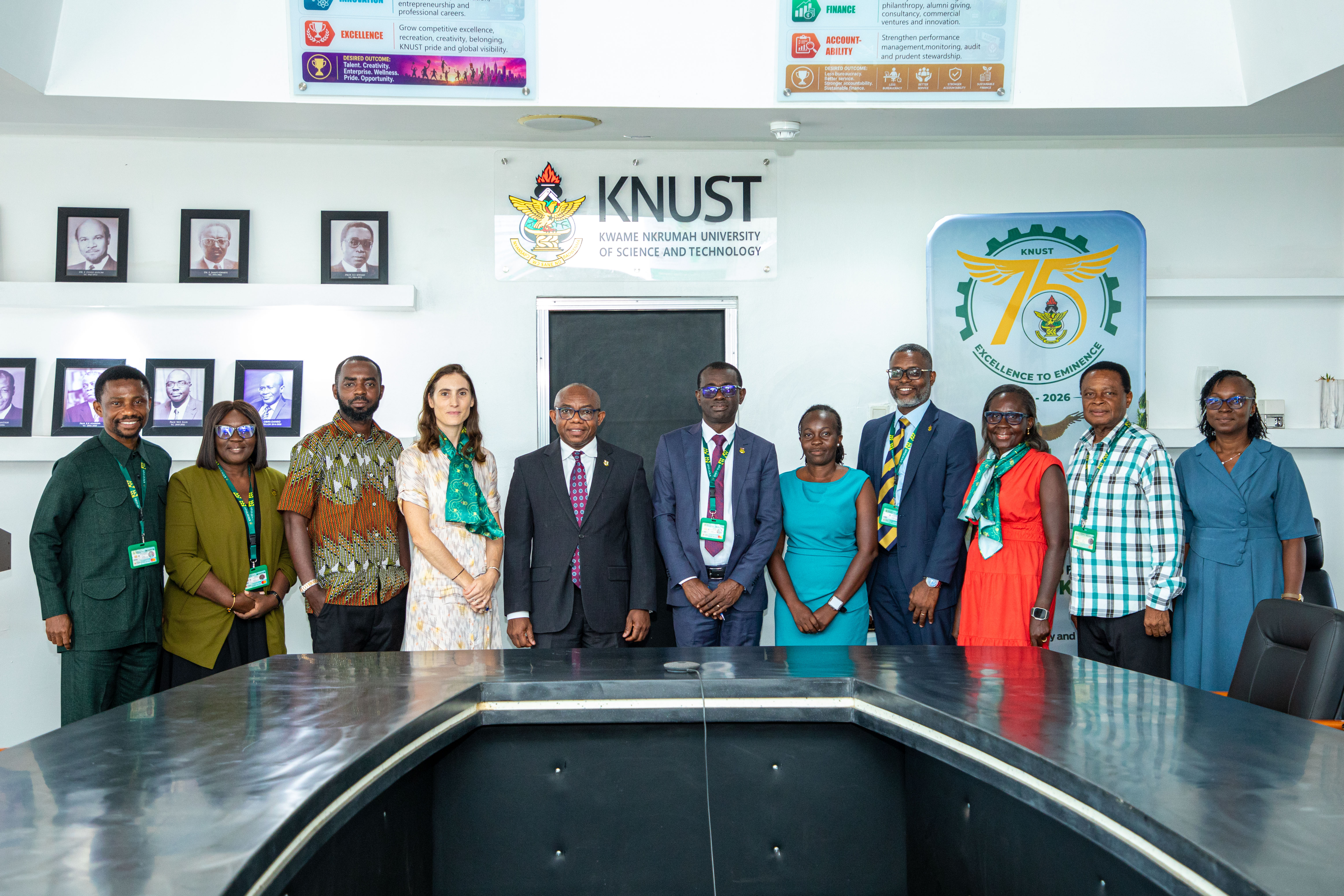
The Kwame Nkrumah University of Science and Technology, Kumasi (KNUST) is seeking to strengthen its collaboration with Alliance Française Kumasi to upgrade its French language laboratory, expand proficiency training and promote French language and culture among students and staff.
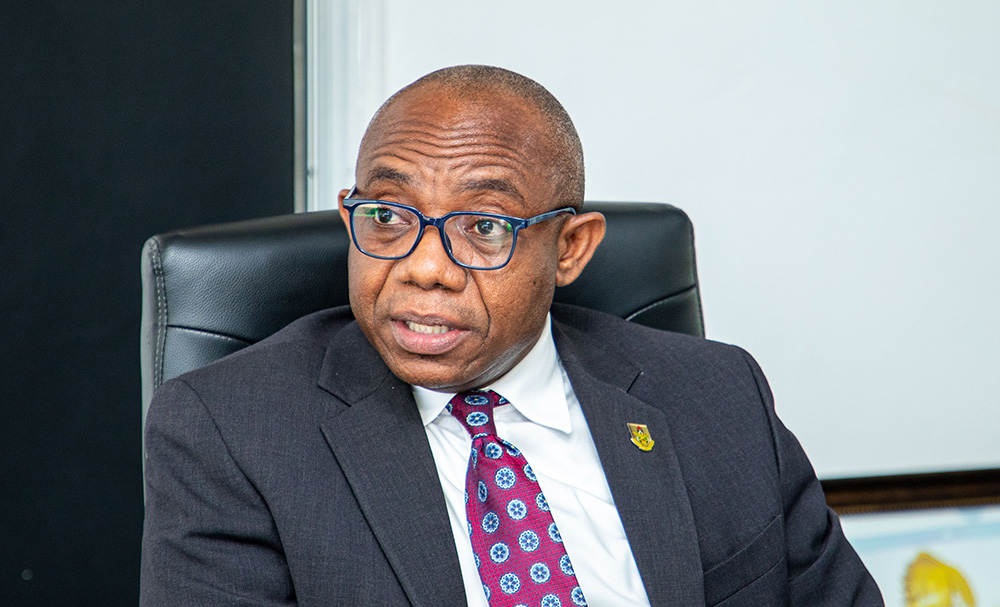
The Vice-Chancellor, Professor Christian Agyare, outlined the plans during a meeting with representatives of Alliance Française Kumasi and the university’s Department of Language and Communication Sciences.
“This is a follow-up meeting or engagement that the Council Chair, who earlier interacted with the Alliance Française. And then he asked us to do a follow-up on, especially with the French language laboratory studio, teaching and learning of the French language,” he said.
Professor Agyare said stronger French language education could improve students’ prospects for postgraduate study, international opportunities and employment, particularly in West Africa and the wider French-speaking world.
He said the university’s French language laboratory needed refurbishment and updated learning software.
“The state of the facility is something we need to improve,” he said, stressing the need to equip students and staff with practical language skills beyond those required for academic examinations.
Professor Agyare proposed expanding access to structured French proficiency courses for students outside the French programme, including those in health sciences and other professional disciplines. He also called for stronger English language support for French-speaking students seeking admission to KNUST.
“So, under my leadership, we intend to strengthen the bond between us and the French Embassy and then also the Alliance Française, Kumasi. So that is why we need to have this conversation to support these objectives and promote greater appreciation of French language and culture on campus,” he remarked.
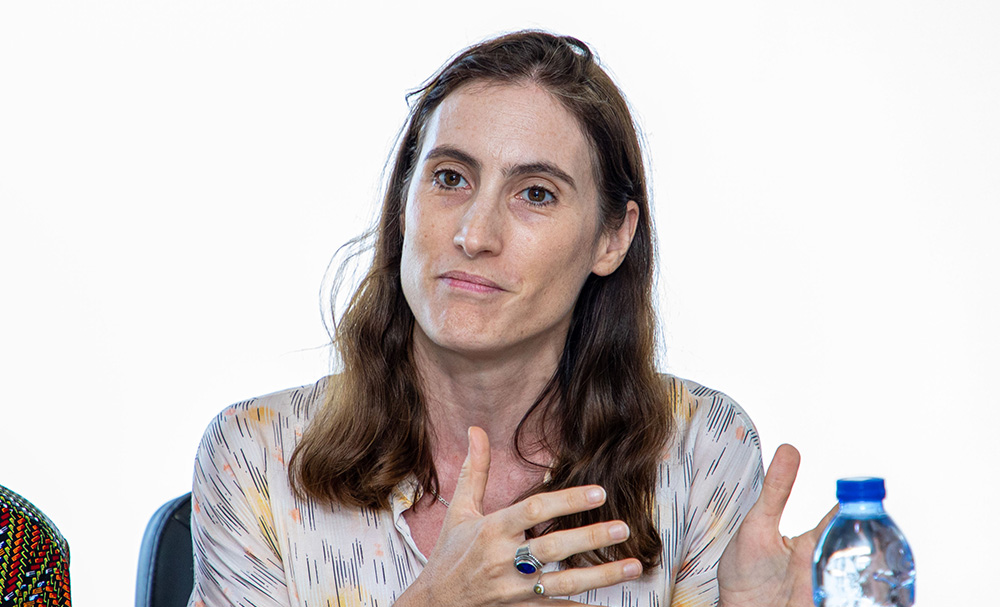
The Director of Alliance Française Kumasi, Ms Aurélie Morel, said the organisation was ready to support the university through specialised French language courses, cultural programmes and teacher training.
She said courses could be tailored to students’ academic disciplines and professional needs, noting that a science student’s language requirements might differ from those of a communication or business student.
Ms Morel also highlighted opportunities to help French language teachers incorporate knowledge of cultures across the French-speaking world into their teaching, preparing students for further study and work in those countries.
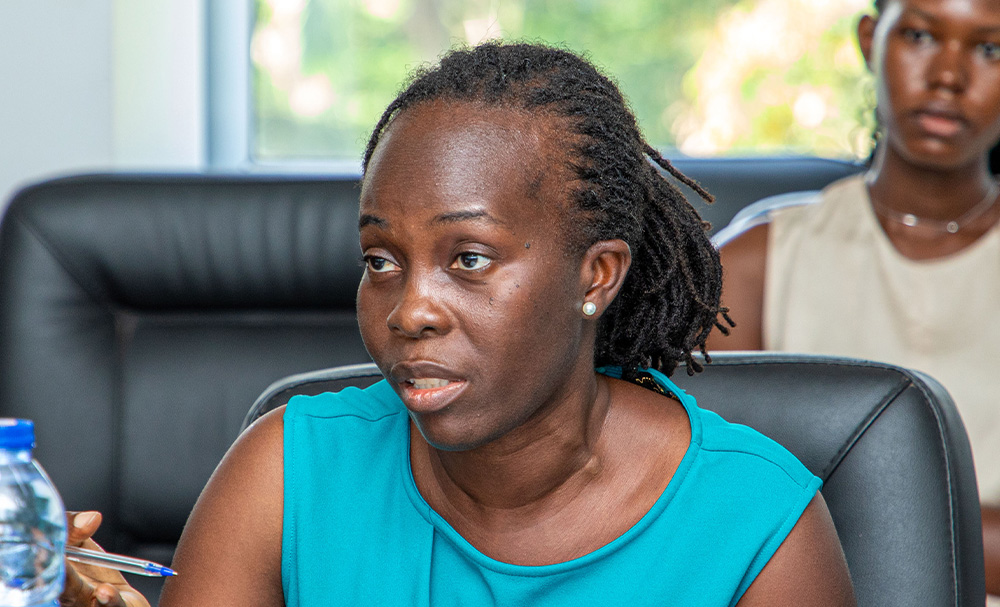
The Head of the Department of Language and Communication Sciences, Dr Stella Afi Makafui Yegblemenawo, called for dedicated proficiency programmes to help students and staff progress through recognised levels of French language competence beyond their academic requirements.
“We need support for students in disciplines such as pharmacy and optometry, as well as those seeking careers requiring effective communication in French-speaking environments to be able to speak well,” she said. “So, we will be knocking on your doors for these supports.”
Story: Abigail Ofori Photos: Isaac Kwaku Duah


